.png)
Griffiths, the undersecretary-general for humanitarian affairs, spoke on the eve of Wednesdayâs high-level virtual pledging conference for Yemen hosted by U.N. Secretary-General Antonio Guterres, Swiss President Ignazio Cassis and Swedish Foreign Minister Ann Linde. It is seeking nearly $4.3 billion to help more than 17 million people across Yemen this year.
The event âis not just about the money, though that is hugely important,â Griffiths said. âIt is also an opportunity for the international community to show that we are not giving up on Yemen, even after all these years and with new crises emerging. And that is a very important message.â
Griffiths said aid agencies face âalarming and unprecedented funding shortagesâ that have forced two-thirds of major U.N. programs to scale down or close in recent months for lack of money. This has included âdeep cuts to core services like food aid, water, health car and relief for people fleeing the violence,â he said.
Yemen has been convulsed by civil war since 2014, when Iranian-backed Houthi rebels took control of the capital and much of the countryâs north, forcing the government to flee to the south, then to Saudi Arabia. A Saudi-led coalition entered the war in March 2015, backed by the United States and the United Arab Emirates, to try to restore President Abed Rabbo Mansour Hadi and his internationally recognized government to power.
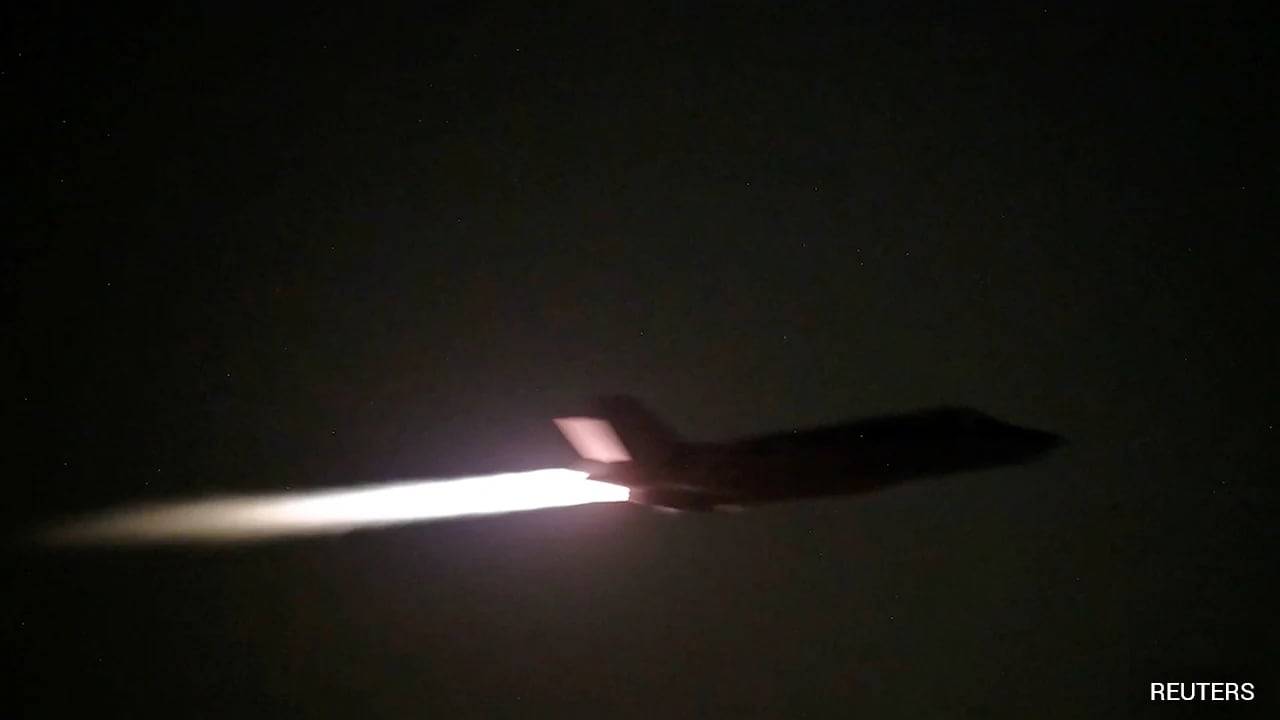
Despite a relentless air campaign and ground fighting, the war has deteriorated largely into a stalemate, causing the humanitarian crisis. The U.S. has since suspended its direct involvement in the conflict.
Griffiths said hostilities persist along nearly 50 front lines, including in the strategic, energy-rich central city of Marib where a two-year Houthi offensive continues, and in western Hajjah âwhere clashes have escalated sharply in recent weeks.â
Last year, he said, more than 2,500 civilians were killed or injured in hostilities that forced nearly 300,000 people to flee their homes. That leaves 4.3 million people displaced in Yemen since 2015, he said.
U.S. Ambassador Linda Thomas-Greenfield told the council that âthe United States is planning a significant contributionâ at Wednesdayâs pledging conference, âbut it will take all donors working together to meet Yemenâs dire needs.â
âWe must address Yemenâs humanitarian crises now,â she said. âOtherwise, the path to peace will narrow.â
Hans Grundberg, the U.N. special envoy for Yemen, told the council that since 2015 donors have spent âan exceptional, an extraordinary and generous sumâ of nearly $14 billion on U.N. appeals to reduce the suffering of the Yemeni people. More than 75% of that money has come from just six donors: the U.S., Saudi Arabia, United Arab Emirates, United Kingdom, Germany and the European Commission, he said.
Grundberg said the continued fighting has deepened Yemenâs economic crisis and it is likely to get worse. He pointed to a 20% decrease in the value of the Yemeni riyal against the dollar since January in the main southern city of Aden and increasing prices in a country that relies on commercial imports for about 90% of its food and nearly all its fuel.
Yemen already faces fuel shortages, and price increases âare likely to become even more acute as the energy prices globally continue to rise ... because of events which have nothing to do with Yemen,â he said, an apparent reference to Moscowâs invasion of Ukraine and the ensuing sanctions on Russia, a major oil and natural gas producer.
Grundberg said he is continuing to meet with leaders from Yemenâs political parties, experts and civil society representatives to identify short-term and longer-term priorities for a multi-track process that will hopefully lead to talks between Yemenis about finding an end to the war.
Thomas-Greenfield, the U.S. ambassador, called on all parties to participate in the U.N. consultations. This requires the Houthis to allow Grundberg to visit Sanaa âwithout preconditions,â a visit that she said âis long overdue.â






 English (United States) ·
  Turkish (Turkey) ·