.png)
In the absence of major advances, Russia â which has launched more than 1,000 missiles so far â is increasingly relying on âdumbâ bombs to wear cities and civilians down. The United Nations has reported 1,900 civilian casualties, including the deaths of 52 children, and the flight of more than 3.1 million refugees. But humanitarian groups have warned that the true scale of human suffering is likely to be far greater.
The devastation of Russiaâs assault on its neighbor is apparent in morgues and city streets. A video from the besieged city of Chernihiv, verified by The Washington Post, shows blanket-covered bodies of children amid rubble. (A U.S. citizen was killed amid Russian shelling there Thursday.) And in Kharkiv, where a Post reporter witnessed evidence of cluster bombs being used in civilian areas, body bags and coffins are in short supply.
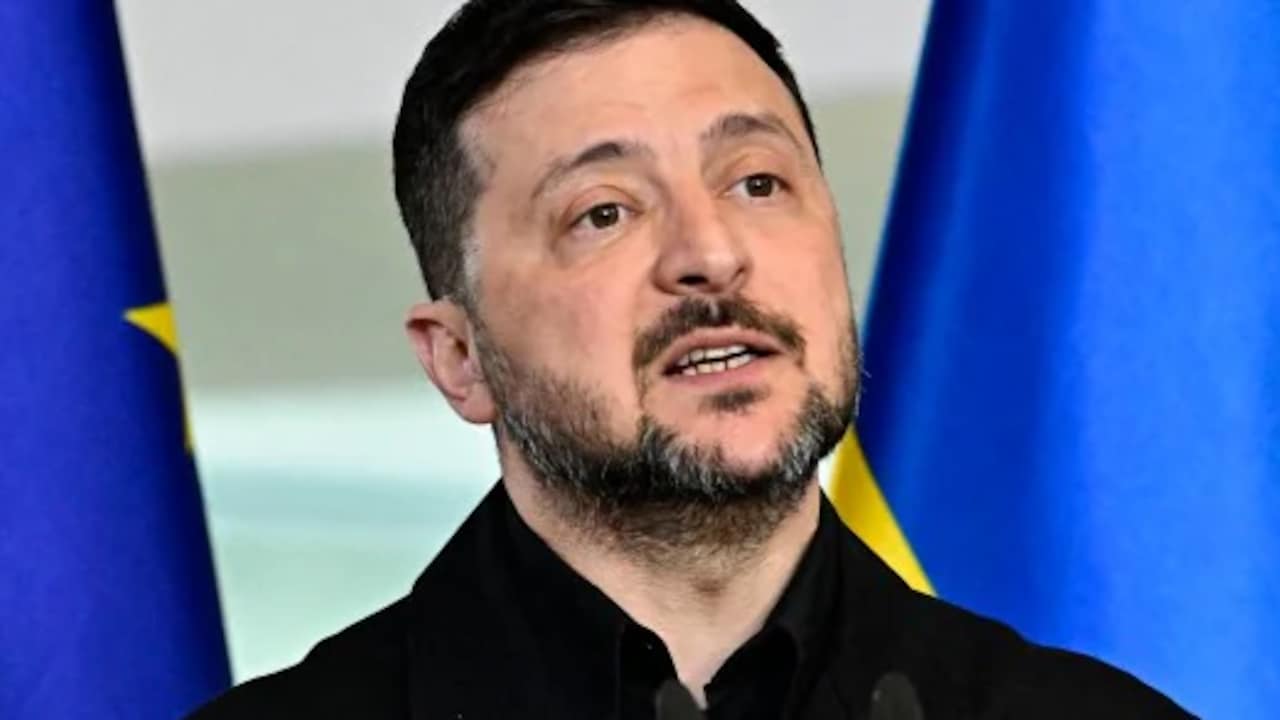
Ukrainian President Volodymyr Zelensky, in a video address early Friday local time, pledged to fight for all Ukrainian cities under attack and appealed to Russian citizens to challenge the Kremlin. âWe want you to love your children more than you fear your authorities,â he said.
Hereâs what to know
Map: Russiaâs latest advances in Ukraine
Return to menuRussian forces continued to shell the cities of Mariupol and Kharkiv. The Ukrainian army launched counterattacks on Russian forces near Kyiv and Kharkiv.
Hereâs the status of Ukrainian cities under Russian attack
Return to menuExactly three weeks since its invasion of Ukraine began, Russia is struggling to gain control of key cities while exacting a heavy toll on civilians. Here are updates on some key places:
Dan Lamothe and Rachel Pannett contributed to this report.
Nearly 4,000 evacuated from Ukrainian cities one day after officials said Russia targeted escape routes
Return to menuNearly 4,000 people were evacuated from embattled Ukrainian cities on Thursday, officials said, continuing the halting, sporadic and treacherous effort to rescue civilians from the countryâs most war-torn regions.
The evacuations continued one day after Ukrainian officials said Russian forces had targeted the established escape routes. On Thursday, they announced nine such âhumanitarian corridorsâ and eight of them operated successfully, allowing people to get out and food and supplies to get in, Ukrainian Deputy Prime Minister Irina Vereshchuk said.
More than 2,000 were able to leave the port city of Mariupol and arrive safely in Zaporizhzhia, about 150 miles inland, she said. On Friday, 10 more buses will be sent to Mariupol, where conditions have grown extremely dire.
Roughly 1,600 were evacuated from the Kyiv region, Vereshchuk said, and a total of 40 tons of food and medicine was delivered to cities.
The lone corridor that remained closed off Thursday was in the Kharkiv region, which has faced particularly fierce assaults in recent days. Artillery fire prevented evacuations, Vereshchuk said.
âWe continue to work discussing new humanitarian routes,â she said.
Zina Pozen contributed to this report.
As sanctions over Ukraine war mount, Russia turns to India to buy oil and arms
Return to menuNEW DELHI â When Russia faced international condemnation and sanctions after President Vladimir Putin launched his Feb. 24 invasion of Ukraine, India stayed on the diplomatic sidelines.
Now, as those economic sanctions begin to bite, Moscow is again turning to India.
India, the worldâs biggest oil importer behind China and the United States, has agreed to purchase 3 million barrels of Russian oil at a heavy discount, an Indian official said Thursday. The purchase, which was first reported by the Wall Street Journal, is relatively small given Russiaâs production and Indian demand. But the volume could increase in the coming months and reinforce a growing perception that India is determined to preserve its extensive trade and military ties with Moscow, even as the United States and its allies urge governments around the world to isolate Russia.



 English (United States) ·
  Turkish (Turkey) ·