.png)
Iranian lawmakers, meanwhile, have urged Iranâs president to obtain guarantees from the U.S. and three European countries that they wonât withdraw from the deal after it is renegotiated.
âThe emerging new deal is shorter and weaker than the previous one,â Prime Minister Naftali Bennett told a meeting of his Cabinet.
He said the deal would see Iran rein in its nuclear activity for two and a half years, rather than the 10 years under the collapsed previous deal, granting Iran sanctions relief for only a brief slowdown of its nuclear activity. After that, he said, Iran could develop and install âstadiums of centrifuges.â
Bennett said that sanctions relief would free up cash Iran will use to fund its proxies along Israelâs borders.
âThe state of Israel is in any case preparing and is ready for the day after, in every parameter, so that we can know how to protect Israeli civilians by ourselves,â he said.
Israel considers Iran to be its greatest enemy. It strongly opposed the 2015 deal and has watched with trepidation as the current talks have carried on.
It says it wants an improved deal that places tighter restrictions on Iranâs nuclear program and addresses Iranâs long-range missile program and its support for hostile proxies along Israelâs borders, like the Lebanese militant Hezbollah.
Israel also insisted that the negotiations must be accompanied by a âcredibleâ military threat to ensure that Iran does not delay indefinitely.
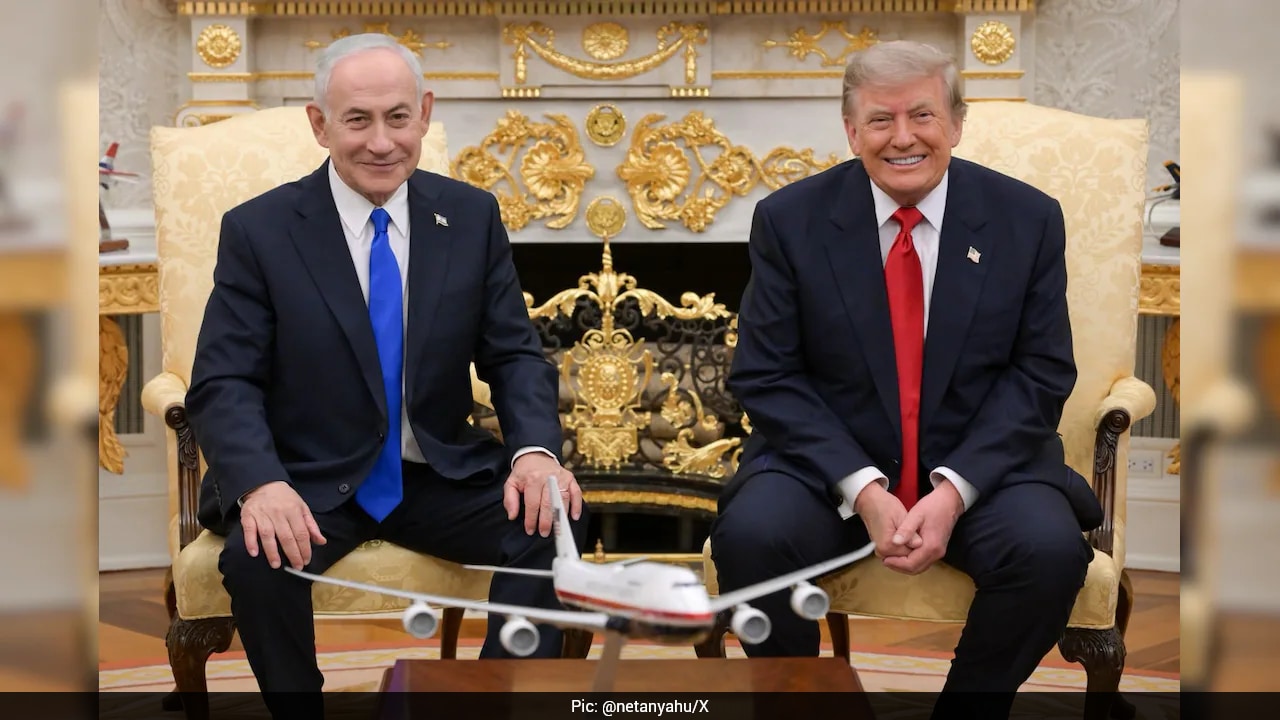
Under the strong encouragement of former Israeli Prime Minister Benjamin Netanyahu, President Donald Trump withdrew from the original deal in 2018, causing it to unravel. Since then, Iran has stepped up its nuclear activities -- amassing a stockpile of highly enriched uranium that goes well beyond the bounds of the accord.
Despite Israelâs support for Trumpâs withdrawal, prominent voices in the country have said in retrospect that the move was a blunder.
In Iran, meanwhile, the Iranian parliamentâs news agency, ICANA, reported that 250 lawmakers in a statement urged President Ebrahim Raisi and his negotiating team to obtain guarantees from the U.S. and the three other European counties that they wonât withdraw from the deal after it is renegotiated.
Iranâs hard-line dominated parliament has the power to approve or reject any proposed agreement between Iran and the other parties in Vienna.
The United States has participated in the current talks indirectly because of its withdrawal from the original deal. President Joe Biden has signaled that he wants to rejoin the deal.
Under Trump, the U.S. re-imposed heavy sanctions on the Islamic Republic. Tehran has responded by increasing the purity and amounts of uranium it enriches and stockpiles, in breach of the accord â formally known as the Joint Comprehensive Plan of Action, or JCPOA.
Iran long has insisted its nuclear program is peaceful. But the countryâs steps away from its obligations under the accord have alarmed its archenemy Israel and world powers.
Tehran has started enriching uranium up to 60% purity â a short technical step from the 90% needed to make an atomic bomb, and spinning far more advanced centrifuges than those permitted under the deal.
German Chancellor Olaf Scholz told participants at the annual Munich Security Conference on Saturday that the talks have come a long way over the past 10 months and âall elements for a conclusion of the negotiations are on the table.â But he also criticized Iran for stepping up its enrichment and restricting inspections by monitors from the U.N. nuclear agency.
Iranâs foreign minister said that itâs up to Western countries to show flexibility and âthe ball is now in their court.â




 English (United States) ·
  Turkish (Turkey) ·