.png)
Tehranâs landmark accord with world powers â Britain, France, Germany, the U.S., Russia and China â granted the nation sanctions relief in exchange for curbs on its nuclear program.
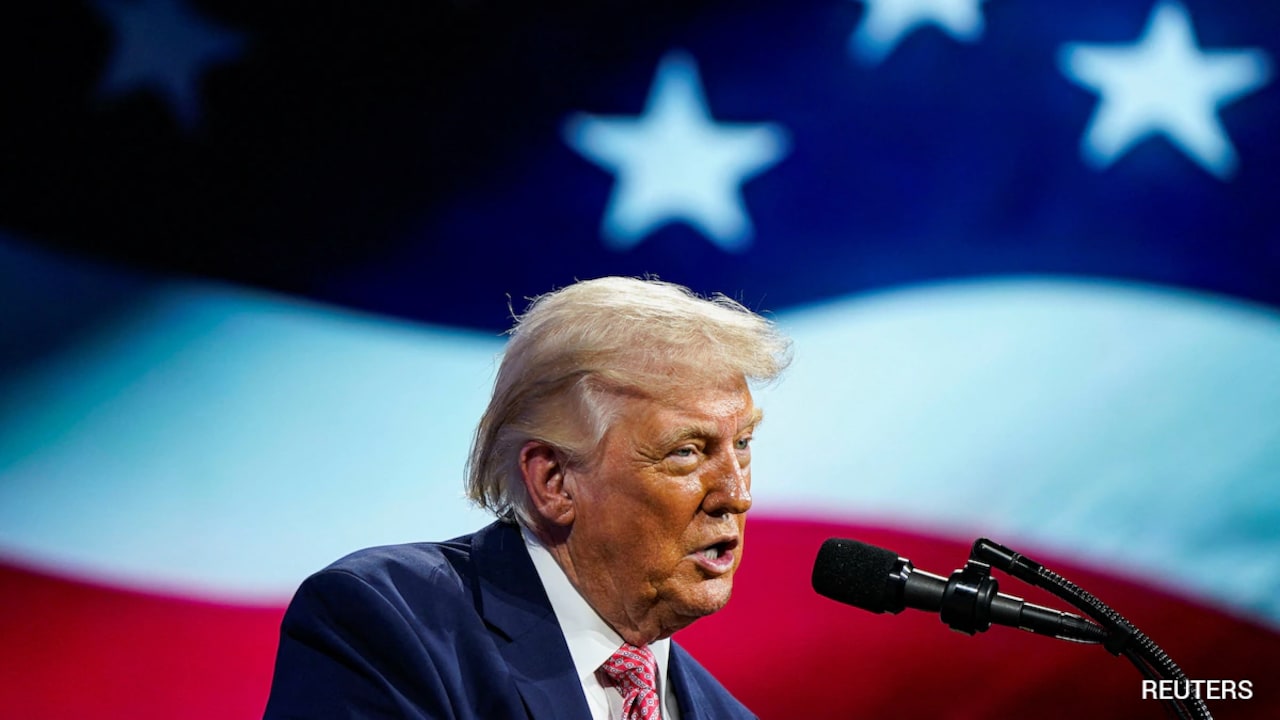
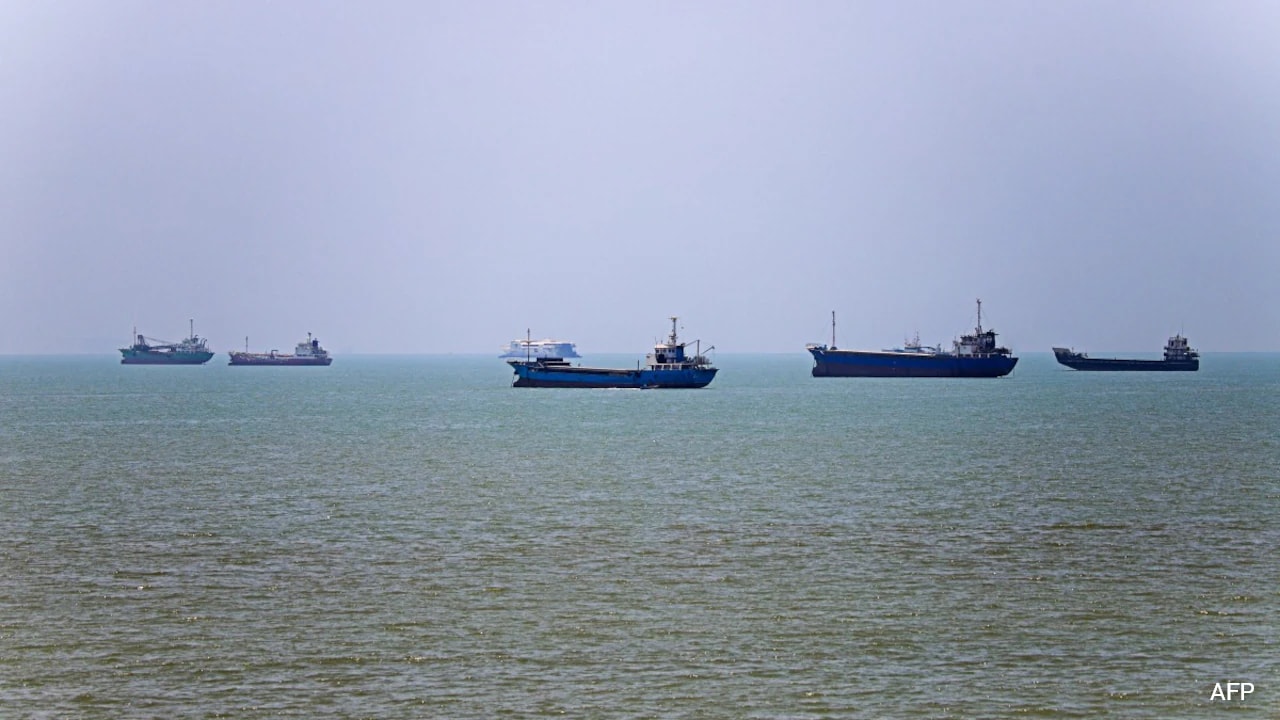
But in 2018, then-President Donald Trump withdrew America from the deal and imposed sweeping sanctions on Iran, including against its oil sector â the lifeline of its economy. Iranâs crude exports plummeted and international oil companies scrapped deals with Tehran, weakening its economy.
The other signatories struggled to keep alive the agreement, formally known as the Joint Comprehensive Plan of Action. The United States has participated only indirectly in this yearâs talks to restore the deal, which President Joe Biden has signaled he wants to rejoin.
Speaking in Tehran ahead of the talksâ resumption, Foreign Minister Hossein Amirabdollahian said Iran wants the upcoming round of talks to focus on its sanctions-hit oil industry. The aim is to get to the âpoint where Iranian oil is being sold easily and without any barriers and its money arrives in Iranâs bank accounts,â he said.
Amirabdollahian said Iran wanted to âbe able to enjoy full economic concessions under the nuclear deal.â
âGuarantee and verification (of the removal of sanctions) are among topics that we have focused on,â he said.
The new, conservative administration of Iranian President Ebrahim Raisi has repeatedly demanded the removal of all economic sanctions before Iran reins in its nuclear advances.
Separately on Monday, Iranian Foreign Ministry spokesman Saeed Khatibzadeh said it would be âintolerableâ for the West to demand anything from Tehran beyond compliance with the original deal.
Iran has steadily abandoned all of the accordâs limits since the American withdrawal and is now enriching uranium to 60% purity â a short, technical step from weapons-grade levels. It spins ever-more advanced centrifuges also barred by the deal.
Iran insists that its nuclear program is peaceful. But the countryâs significant nuclear steps have alarmed regional foes like Israel and world powers. Diplomats have warned that time is running out to restore the deal as Iran maintains a hard line in putting the onus on the U.S. to lift sanctions.
Foreign Minister Yair Lapid of Israel, which fiercely opposed the 2015 deal, repeated his countryâs vow that Iran will never get a nuclear weapon.
âCertainly we prefer to act through international cooperation, but if necessary â we will defend ourselves, by ourselves,â he said, a veiled threat of unilateral military action against Iranâs nuclear program.
Diplomats from the European powers have said that time is running out for a successful conclusion to the talks.
And Russian delegate Mikhail Ulyanov tweeted after the resumption of the talks was announced that âwe need to orient ourselves towards successful completion of the talks as soon as possible, preferably by the beginning of February.â



 English (United States) ·
  Turkish (Turkey) ·