.png)
Officials said it was not immediately clear how many people were killed or injured in the strike, with the extent of the damage and the near-constant bombardment making inspection difficult. Videos verified by The Washington Post show extensive damage to the theater. In them, flames and plumes of smoke rise up from a pile of rubble in the middle of the building.
Mariupol’s mayor called the strike “a terrible tragedy,” but Ukrainian lawmakers reported Thursday that many people who sought refuge in the theater survived because a basement bomb shelter withstood the attack. Despite the debris, “people are coming out of the shelter alive and well!” Oleksiy Honcharenko, a lawmaker from Odessa, said on Telegram.
The Russian military “purposefully and cynically destroyed the Drama Theater in the heart of Mariupol,” the city council said earlier in a statement posted to Telegram. “It is still impossible to estimate the scale of this horrific and inhumane act because the city’s residential areas are continually shelled.”
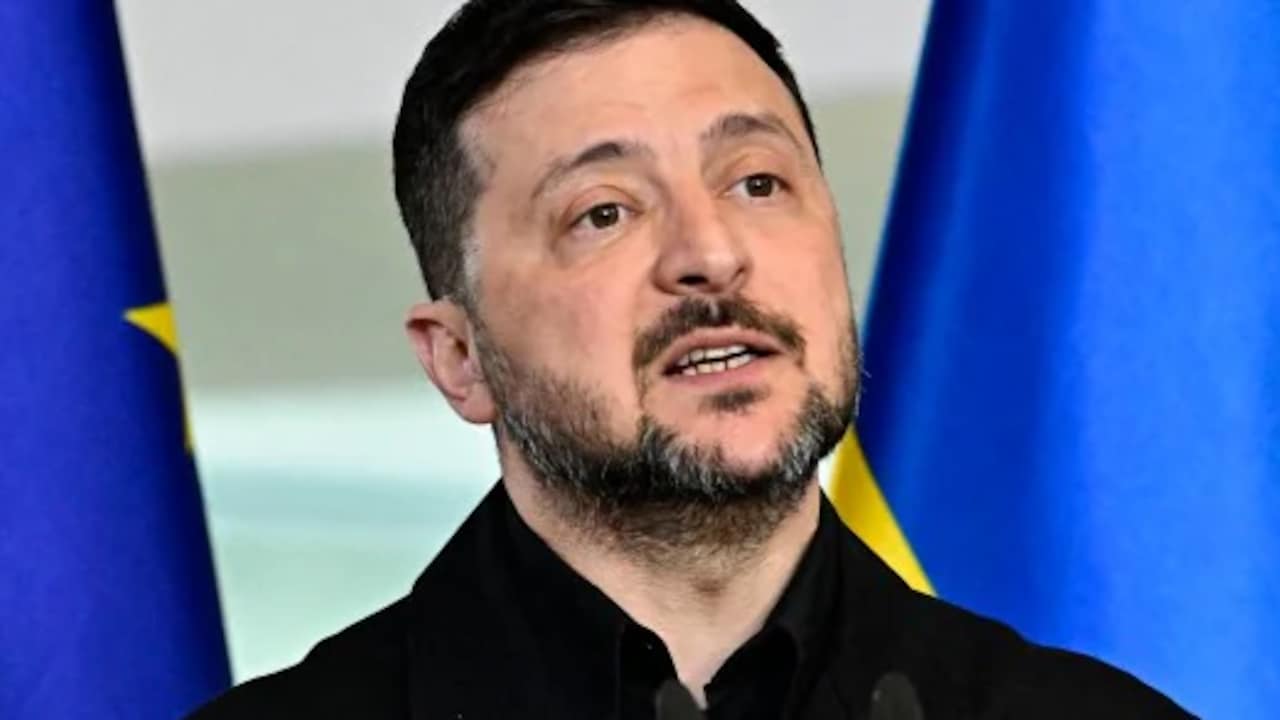
Ukrainian President Volodymyr Zelensky denounced the bombing on Wednesday evening and compared the blockade of Mariupol to that of Leningrad during World War II, a siege that ultimately stretched years and led to hundreds of thousands of deaths.
“Our hearts are broken by what Russia is doing to our people. To our Mariupol,” Zelensky said in a video address.
The theater, which hosted plays, concerts and festivals, was a cultural hub in the center of Mariupol — a city that has become synonymous with the brutality of the Russian invasion. Surrounded by Russian troops and without electricity or water, Mariupol has become a humanitarian catastrophe. The civilian death toll has been impossible to confirm, with some estimates putting it above 2,500. Images from the city show mass graves and bodies left on the street.
Reports of the Wednesday assault surfaced shortly after Zelensky appeared virtually before the U.S. Congress and repeated his request for a “humanitarian no-fly zone” over his country. The Biden administration has so far resisted the idea, arguing that it could draw the United States into direct combat with Russia.
“Russia has turned the Ukrainian sky into a source of death for thousands of people,” Zelensky said.
As the situation in Mariupol has deteriorated, Russian troops have repeatedly thwarted evacuation attempts from the city, Ukrainian officials have said. Until recently, few had made it out safely. But on Tuesday and Wednesday, officials said a total of about 30,000 people were rescued, a figure The Post could not independently verify. The number is a small fraction of those who remain trapped, but it would represent a significant increase from prior days.
The Russian Defense Ministry denied involvement in the latest bombing, saying its forces “did not carry out any tasks related to strikes against ground targets in the city of Mariupol.” Instead, Russian defense officials, without evidence, blamed the attack on the Azov Battalion, a far-right paramilitary group that is now part of the Ukrainian national guard. Russian President Vladimir Putin has used the fringe Azov group as a basis for his false claim that neo-Nazis run Ukraine’s government.
Last week, Azov posted a video from the theater that showed it full of families and children. In the video, which The Post reviewed, young children are seen playing and a baby can be heard crying. A narrator says more than a thousand people are inside, including sick children.
“There is pain and hurt here,” he says. “It is hard here. Please help us. Please stop all of this.”
Pavlo Kyrylenko, head of the Donetsk regional administration, where Mariupol is located, said that the fate of the several hundred residents who were in the theater is still “unknown” because the entrance to the building is blocked by rubble. Kyrylenko posted images of the aftermath on Facebook and said the strike was deliberately targeting civilians at the Mariupol theater and a swimming pool, which was also hit.
Dmytro Kuleba, Ukraine’s foreign minister, described the attack as “another horrendous war crime.”
Richard Weir, a crisis and conflict researcher at the international advocacy organization Human Rights Watch, said the strike “raises serious concerns that it was disproportionate, indiscriminate and potentially a war crime.”
The American firm Maxar Technologies captured satellite photographs of the theater on Monday, two days before the attack. In them, in large Russian type on both sides of the theater, the word “children” is visible from above.
Irynka Hromotska and Hannah Knowles contributed to this report.



 English (United States) ·
  Turkish (Turkey) ·