.png)
In broad strokes, Chinaâs stance falls in line with the International Olympic Committeeâs (IOC) established rule against political protest at the Games. The IOC also announced before last yearâs Summer Games in Tokyo that athletes who staged protests there would be punished, ignoring U.S. calls to allow respectful protest for human-rights issues.
But Chinaâs formulation of its rule appeared to be a shade stricter than the IOCâs, raising questions about how Beijing plans to interpret and enforce it. Rule 50 of the IOC charter forbids âdemonstration or political, religious or racial propagandaâ at Olympic venues. Yang said Tuesday that âspeechâ could be subject to punishment, and cited Chinese law, which is far more restrictive than many countries'.
Beijingâs warning came amid discussion in the West over expected political restrictions and surveillance at the Games, which take place next month. Speakers at a seminar hosted by Human Rights Watch on Tuesday said they were advising athletes against criticizing Chinaâs human-rights record while in Beijing for their own safety, according to Reuters.
In China, critics of the government have routinely been sentenced to prison for staging political protests, or for comments they made on social media. While itâs unlikely Beijing would risk international ire to severely punish an athlete at the Olympics for speech, Yang declined to answer on Tuesday what the maximum punishment could be for political demonstration at the Games.
Chinaâs human-rights record has come under heavy scrutiny ahead of the Olympics, with the United States and several other countries announcing a diplomatic boycott of the event as a statement against Chinaâs âongoing genocide and crimes against humanity in Xinjiang.â
Athletesâ freedom of speech in China has also become a flash point, after Chinese tennis player Peng Shuai made explosive allegations against Chinaâs former vice premier Zhang Gaoli in November, saying he coerced her into sex. Peng disappeared from public view, prompting international expressions of concern for her safety.
Canadian cybersecurity research group Citizen Lab reported Tuesday that the health-tracking smartphone app that Olympics attendees are required to download has security flaws that made usersâ personal data vulnerable. The appâs code also included a list of political keywords, and a feature that allows users to report âpolitically sensitive" content, Citizen Labâs report said.
A representative of the Beijing organizing committee said at Tuesdayâs news conference they were not aware of the political keyword list and would look into the matter. The official said they were working to patch any security vulnerabilities in the app.
Chinaâs Foreign Ministry also fielded questions on Tuesday about reports that the United States and other countries have advised athletes to take âburner phonesâ to Beijing to avoid surveillance. Ministry spokesman Zhao Lijian dismissed the concerns, saying those countries âwho are guilty of the charge themselves, are accusing the innocent party without any evidence.â
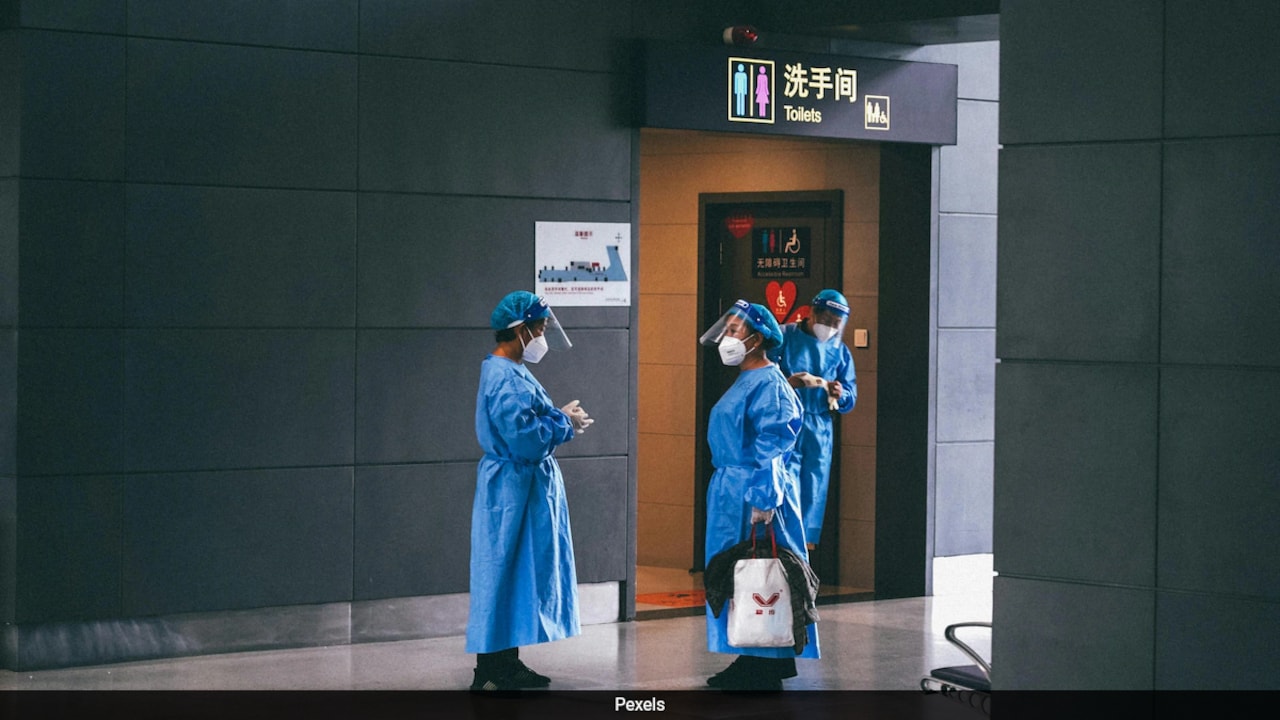
Beijing announced on Monday it was canceling public ticket sales to the Games, as the city recorded its first case of the highly contagious omicron variant of the coronavirus. Jing Quan, an official at the Chinese embassy in Washington, said at Tuesdayâs news conference that only a few direct flights will remain between the United States and China next week, with others all canceled because of cases of coronavirus among passengers.
Yang said âdedicated departmentsâ will evaluate punishment for athletes who violate the IOC political protest ban.
âI think for the athletes to participate in the Olympic Games, they should follow the spirit and requirements provided by the Olympic Charter,â he said. âThe politicization of sports is one of the things opposed by the Olympic Charter.â



 English (United States) ·
  Turkish (Turkey) ·