.png)
“We continue to engage in nonstop diplomacy and to de-escalate tensions and attempt like the devil to improve security for our allies and partners and for all of Europe, for that matter,” President Biden told reporters Monday.
Tuesday’s conversation between Blinken and Lavrov is likely to include a discussion on Moscow’s written response to a U.S. proposal aimed at de-escalating the Ukraine crisis. A U.S. official told The Washington Post that the administration had received the response Monday, but declined to provide details.
Blinken has described the U.S. proposal as something that offers the Kremlin “a serious diplomatic path forward, should Russia choose it.” But U.S. officials have said the West did not bow to Russia’s demand that NATO close its “open door policy,” barring countries such as Ukraine and Georgia from joining the military alliance.
The Kremlin, which has also demanded the removal of NATO forces from Eastern Europe, has repeatedly denied that its massive buildup of troops and military equipment near Ukraine, along with a wave of military exercises, is a precursor to a further assault.
Russia’s military announced Monday that about 9,000 troops from southern and western military bases were returning to barracks after military exercises, but it was unclear whether those moves presaged a de-escalation. The Russian navy also announced that 20 warships and other naval vessels from its Black Sea fleet had returned to port after live firing exercises.
But the same day, the State Department ordered family members of U.S. government employees in Belarus to leave the country because of “unusual and concerning “Russian military activity near the border with Ukraine. The United States had previously pulled some government staff from Ukraine.
The U.S. military has issued “prepare to deploy” orders to 8,500 personnel that are likely to be headed to Eastern Europe — Biden has ruled out sending ground troops to Ukraine — though Pentagon spokesman John Kirby told reporters Monday that a final decision had not been made.
Any deployment would be made in “close consultation” with allies in the region, Kirby said. “You can’t just unilaterally decide to throw extra U.S. forces at a country.”
Any upcoming diplomacy with Russia is likely to see Britain take a reduced role. British Prime Minister Boris Johnson heads to Ukraine Tuesday in what London is billing as a “demonstration of support,” but reportedly had to delay a Monday call with Russian President Vladimir Putin as he deals with the fallout from an investigation into Downing Street parties during the coronavirus pandemic.
British Foreign Secretary Liz Truss was set to accompany Johnson but she said Monday that she had contracted the coronavirus, just hours after addressing Parliament on tough sanctions that target Russian oligarchs and those close to Putin. Britain on Saturday offered to send jets, warships and military specialists to support NATO’s eastern flank.
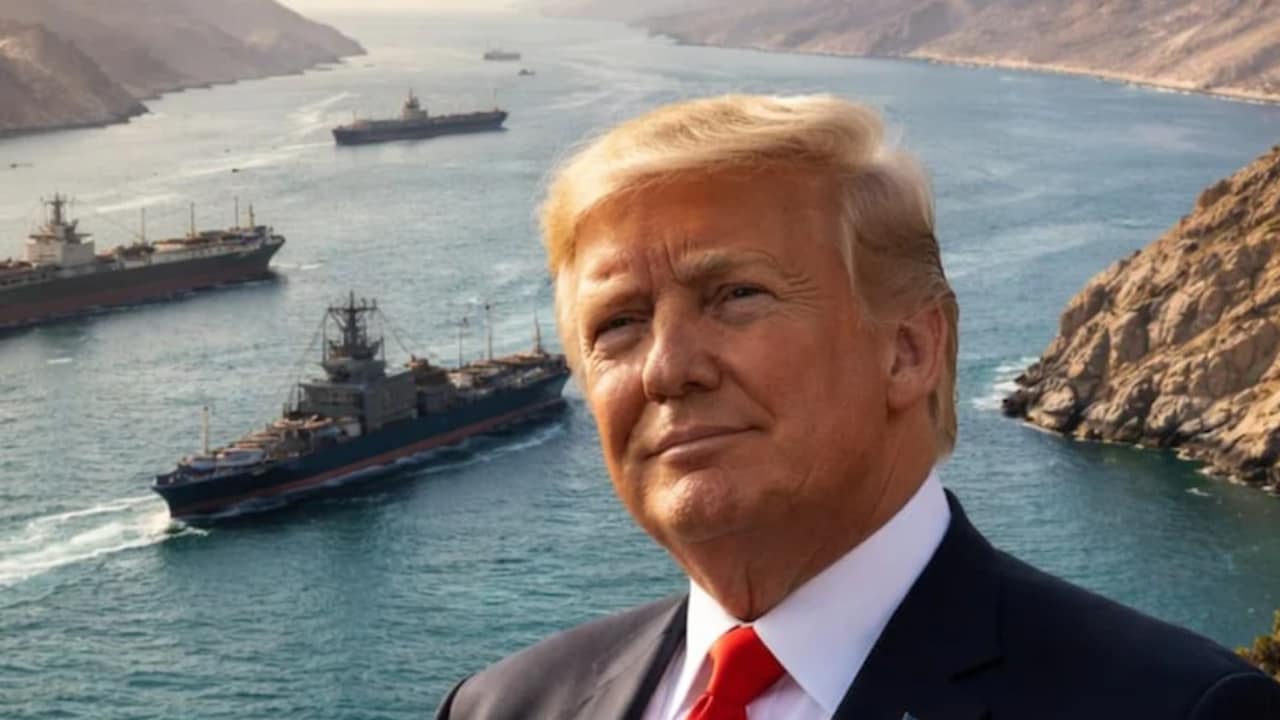
As the West rushes support to Eastern Europe, Moscow has also increased naval activity in the Mediterranean and the Atlantic. The Pentagon said it was following Russian sea maneuvers “pretty closely” though there did not appear to be hostile intent at the moment.
Russia is “clearly increasing the capabilities they have at sea should they need it,” Kirby said, adding that Putin “continues to create more options for himself from a military perspective … We want to see him exercise a diplomatic option, which, by the way, is also still open to him.”
As debate continues over how seriously how seriously Kyiv regards the crisis, a top Ukrainian security official on Monday called for revisions to a 2015 peace deal that is widely regarded as favorable to Russia. (Moscow has refused to discuss changing those terms.)
Oleksiy Danilov, the secretary of Ukraine’s National Security and Defense Council, told the Associated Press that Ukraine can call up to 2.5 million people in the face of Russian aggression. Across Ukraine, thousands of civilians across the country are preparing for the worst, receiving basic combat training so that the country’s 250,000-strong military can be bolstered in event of a full-scale invasion.





 English (United States) ·
  Turkish (Turkey) ·